

Medically reviewed by: Dr Vasilios Silivistris.DipComp. DipCouns. DipSup. MBACP. BA. MA. FRSH. PhD
Date: 13 June 2025
Written and last updated by: Michael Imonirhua
How to Safely Detox from Alcohol at Home: A Comprehensive Guide
Choosing a medically managed home detox program in the UK provides the exact clinical care, prescribing protocols, and 24/7 support needed to transition safely into long-term sobriety.
Many people seeking a way to break free from alcohol dependence wonder if it’s possible to detox in the comfort and privacy of their own home. The answer is yes, but the most important part of that question is how to do it safely. The desire for a familiar environment during a difficult time is completely understandable. However, it is critical to know that attempting to detox from alcohol without professional medical support can be extremely dangerous.
This comprehensive guide explains the only safe way to detox from alcohol at home. We will walk you through the risks of going it alone, the day-by-day withdrawal timeline, and the medically supervised process that ensures your health and safety are the top priority.
The Critical Risks of Unsupervised Alcohol Detox
Before exploring the process, it’s vital to understand why a “do-it-yourself” detox is so risky. When your body becomes physically dependent on alcohol, it adapts to functioning with the substance present. Stopping suddenly throws this system into chaos, triggering alcohol withdrawal syndrome. Without medical supervision, you are at risk of severe complications, including:
- Seizures: Tonic-clonic seizures can occur without warning, leading to injury.
- Delirium Tremens (DTs): A severe and life-threatening condition affecting about 5% of those in withdrawal. It involves profound confusion, hallucinations, high blood pressure, racing heart, and fever.
- Cardiovascular Strain: Withdrawal significantly increases heart rate and blood pressure, which can be dangerous, especially for those with pre-existing heart conditions.
- Severe Dehydration: Nausea, vomiting, and sweating can lead to a dangerous loss of fluids and electrolytes.
- Psychological Distress: Overwhelming anxiety, panic attacks, paranoia, and insomnia can make it impossible to complete the detox and can be terrifying to experience alone.
Attempting to manage these symptoms without immediate medical support is not a risk worth taking.
The Alcohol Withdrawal Timeline: What to Expect Day by Day
The withdrawal timeline varies based on factors like the duration and severity of alcohol use, but a general pattern often emerges.
- 6-12 Hours After Last Drink: The first, milder symptoms appear. These typically include tremors (the “shakes”), anxiety, insomnia, nausea, and stomach pain. Cravings for alcohol will begin to intensify.
- 24-48 Hours: Symptoms peak during this period. Hallucinations (auditory, visual, or tactile) may occur. This is also the period of highest risk for withdrawal-related seizures. Headaches, sweating, and vomiting are common.
- 48-72 Hours: For most people, physical symptoms begin to subside after the 48-hour mark. However, this is the window where Delirium Tremens (DTs) can develop for those at high risk. Any signs of confusion, agitation, or severe disorientation require immediate medical intervention.
- Day 4-7: Acute withdrawal symptoms continue to fade for the majority of individuals. The initial physical storm begins to calm, but psychological symptoms like anxiety, irritability, and sleep disturbances can persist.
- Week 2 and Beyond (Post-Acute Withdrawal): While the acute, life-threatening phase is over, a secondary phase known as Post-Acute Withdrawal Syndrome (PAWS) can last for weeks or even months. Symptoms include mood swings, low energy, sleep problems, and difficulty concentrating. Understanding PAWS is crucial for preventing relapse.
The Medically Supervised Home Detox Process
A professional home detox brings the safety and structure of a clinical setting into your house. This is how the process works safely.
Step 1: The Comprehensive Clinical Assessment The process always begins with a thorough assessment from a qualified doctor or addiction specialist. This isn’t just a quick chat; it’s a deep dive into your health to ensure a home detox is safe for you. It includes:
- Medical History Review: Understanding any pre-existing conditions (especially cardiac, liver, or kidney issues).
- Mental Health Evaluation: Assessing for co-occurring disorders like depression or anxiety that could complicate withdrawal.
- Dependence Severity: Using clinical tools (like the CIWA-Ar scale) to objectively measure the severity of your dependence and predict the likely intensity of withdrawal.
- Home Environment Check: Ensuring you have a safe, stable, and supportive home environment free from major triggers.
Step 2: A Personalised Detox Plan Based on the assessment, the clinical team at Steps Home Alcohol Detox creates a bespoke plan. This document is your roadmap and includes your detox schedule, a clear medication protocol, nutritional advice, and contact information for your dedicated 24/7 support line.
Step 3: Understanding the Medications Used Medication is not just about comfort; it’s about safety.
- During Acute Detox: The most commonly used medications are Benzodiazepines (e.g., Diazepam, Chlordiazepoxide). These are essential for preventing the most dangerous withdrawal symptoms, particularly seizures and Delirium Tremens. They work by calming the over-excited central nervous system. The dosage is carefully tapered down over several days as your body stabilizes.
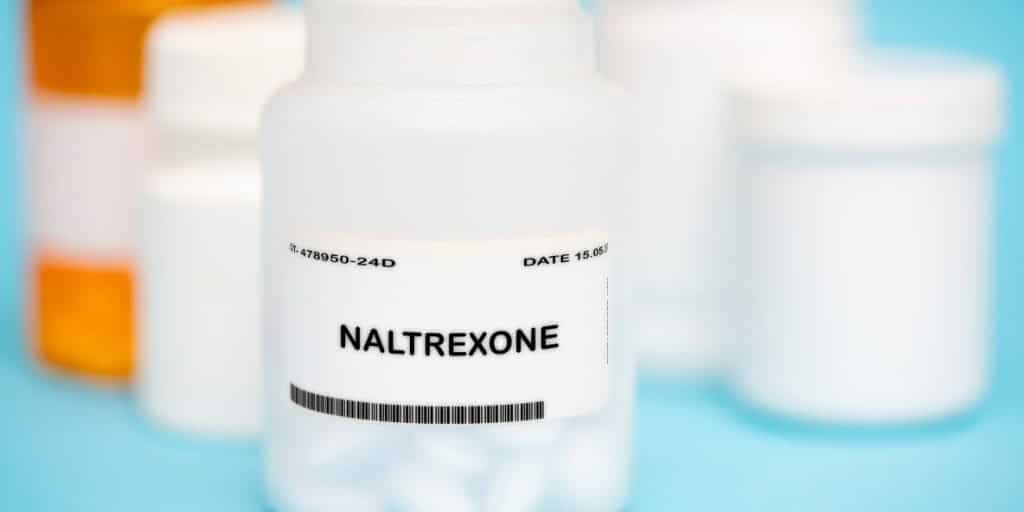
- For Long-Term Recovery: Once detox is complete, other medications can be prescribed to support long-term sobriety. A prescription for Naltrexone or Nalmefene can be highly effective in reducing cravings. Other options like Acamprosate (to help rebalance brain chemistry) or Disulfiram (which causes an unpleasant reaction to alcohol) might also be considered.
Step 4: The Importance of Psychological and Emotional Support

Detoxing is as much a mental battle as a physical one. A professional service provides crucial support:
- Managing Anxiety: Therapists and support workers provide coping strategies to manage the intense anxiety that accompanies withdrawal.
- Building Motivation: Regular check-ins help reinforce your decision to quit and celebrate small victories.
- Education: You will learn about the nature of addiction, your personal triggers, and the foundations of relapse prevention. This psychoeducation is vital for long-term success.
Preparing Your Home and Support Network
A successful home detox requires preparation.
- Create a Safe Space: Remove all alcohol and associated paraphernalia from your home. Make one room—likely your bedroom—a comfortable and calming “recovery space.”
- Stock Up on Supplies: Ensure you have plenty of water, electrolyte drinks, simple foods (like soup and toast), and any comfort items.
- Inform Your Support Person: Choose one trusted friend or family member to be your primary support person. They should understand the plan, have the contact information for your clinical team, and be available to help with practical needs. The role of this person is not to be a medic, but to provide encouragement and practical help.
Life After Detox: The Path to Lasting Recovery
Completing a detox from alcohol is a monumental achievement, but it is the first step, not the final destination. A professional home detox service will help you plan for what comes next.
- Aftercare Planning: The clinical team will work with you to establish a robust aftercare plan. This may involve referrals to local therapists, support groups like Alcoholics Anonymous (AA), or structured online recovery programs.
- Relapse Prevention Strategy: You will work to identify your high-risk situations and develop a clear plan for what to do when you encounter them. This includes developing healthy coping skills for stress, boredom, and social situations.
- Ongoing Support: Many services, like Steps Home Alcohol Detox, offer ongoing support after the initial detox phase to help you navigate early recovery and manage the challenges of PAWS.
Conclusion: Your Safe and Dignified First Step
While the prospect of detoxing at home is appealing, a “do-it-yourself” approach is a dangerous gamble. The safe, effective, and responsible way to detox from alcohol at home is through a comprehensive program managed by medical professionals who can provide the clinical care, medication, and psychological support needed to protect your health.
If you are ready to take that first step, seeking guidance from Steps Home Alcohol Detox is the most courageous and important decision you can make for your recovery journey. It ensures you are never alone and have the best possible foundation for a healthier future.ous and important decision you can make for your recovery journey.
FAQs
What is the safest way to detox from alcohol at home?
The safest way to detox from alcohol at home is under medical supervision with a structured plan. This involves a comprehensive assessment by a healthcare professional to tailor a detox plan specific to your needs.
Medical supervision is crucial because it ensures that withdrawal symptoms are managed safely, reducing the risk of severe complications such as seizures or delirium tremens. A professional home detox service typically provides medications like benzodiazepines, which help manage acute symptoms and support long-term recovery with drugs like Naltrexone. The process includes regular check-ins with healthcare providers who monitor your progress and adjust your treatment as necessary. Psychological support is also a crucial component, offering strategies to manage anxiety and help prevent relapse. Additionally, ensuring a supportive home environment, free from alcohol and triggers, is vital for a successful detox. This environment should include a comfortable space for rest and recovery, access to nutritious food and hydration, and the presence of supportive family or friends who can assist and encourage you throughout the process.
Why is medical supervision important during alcohol detox?
Medical supervision during alcohol detox is crucial because it ensures safety and reduces the risk of life-threatening complications. Withdrawal from alcohol can lead to severe symptoms like seizures and delirium tremens, which require immediate medical attention.
A medically supervised detox provides a structured approach where healthcare professionals assess your health and create a personalised detox plan. This plan includes medications to alleviate withdrawal symptoms and prevent severe reactions. Regular monitoring by medical staff allows for quick intervention if complications arise, ensuring that any health issues are addressed promptly. Moreover, medical supervision offers psychological support, helping you cope with anxiety and emotional distress during detox. This comprehensive care not only makes the detox process safer but also increases the likelihood of a successful recovery by addressing both physical and mental health needs. The presence of medical professionals provides reassurance and support, making the challenging process of detoxification more manageable and effective.
What are the risks of detoxing from alcohol without professional help?
Detoxing from alcohol without professional help poses significant risks, including the potential for severe withdrawal symptoms such as seizures and delirium tremens. These conditions can be life-threatening and require immediate medical intervention.
Without professional guidance, individuals may also experience intense psychological distress, including anxiety, paranoia, and insomnia, which can hinder the detox process. The lack of medical support means there is no access to medications that can ease withdrawal symptoms and prevent complications. Additionally, without a structured plan and professional support, the risk of relapse is higher, as individuals may struggle to manage cravings and triggers on their own. Attempting to detox without professional help is not advisable, as it can lead to dangerous health outcomes and undermine the recovery process. The absence of a supportive network and medical oversight can make it difficult to maintain sobriety, increasing the likelihood of returning to alcohol use as a coping mechanism for withdrawal symptoms and emotional distress.
How long does the alcohol detox process typically take?
The alcohol detox process typically takes about 7 to 10 days, although this can vary depending on the individual’s level of alcohol dependence and overall health. The acute withdrawal phase usually lasts around 3 to 7 days.
In the first 6-12 hours after the last drink, mild symptoms like tremors and anxiety may begin. Symptoms peak around 24-48 hours, with the risk of seizures and hallucinations being highest. By 48-72 hours, most physical symptoms start to subside, although delirium tremens can still occur in some cases. After the acute phase, individuals may experience post-acute withdrawal syndrome (PAWS), which includes mood swings and sleep disturbances, lasting weeks or months. A medically supervised detox plan will provide ongoing support to manage these symptoms and help maintain sobriety. Understanding the timeline of detox can help individuals prepare for the process and set realistic expectations for recovery, emphasising the importance of medical supervision and support throughout.
What medications are commonly used in a home alcohol detox?
Common medications used in a home alcohol detox include benzodiazepines like Diazepam and Chlordiazepoxide, which help manage withdrawal symptoms and prevent seizures. These medications are gradually tapered off as the detox progresses.
Benzodiazepines work by calming the central nervous system, reducing the risk of severe withdrawal symptoms such as delirium tremens. In addition to these, medications like Naltrexone or Nalmefene may be prescribed post-detox to help reduce alcohol cravings and support long-term recovery. Other medications, such as Acamprosate, can help rebalance brain chemistry, while Disulfiram creates an adverse reaction to alcohol, discouraging consumption. The choice of medication is tailored to the individual’s needs, based on a thorough assessment by healthcare professionals, ensuring a safe and effective detox process. The selection and management of medications are critical components of a successful detox, providing the necessary support to manage withdrawal symptoms and reduce the risk of relapse.
How can I prepare my home for a safe alcohol detox?
Preparing your home for a safe alcohol detox involves creating a supportive and alcohol-free environment. Start by removing all alcohol and related items from your home to minimise temptation and triggers.
Designate a comfortable space, like a bedroom, as your recovery area, ensuring it is calming and free of stressors. Stock up on essential supplies such as water, electrolyte drinks, and simple, nutritious foods to maintain hydration and nutrition. It’s also important to have comfort items like blankets and pillows to help manage withdrawal discomfort. Inform a trusted friend or family member about your detox plan so they can provide support and assistance if needed. Having a support person who understands your plan and can contact your medical team in case of emergencies is crucial for a safe detox process. Additionally, consider organising activities or distractions that can help pass the time and keep your mind occupied, such as books, movies, or puzzles, which can be beneficial in managing cravings and anxiety.
What role does psychological support play in alcohol detox?
Psychological support plays a crucial role in alcohol detox by helping individuals manage the mental and emotional challenges of withdrawal. It provides coping strategies for anxiety, depression, and cravings, which are common during detox.
Professional support includes therapy sessions with counsellors who specialise in addiction, offering techniques to handle stress and prevent relapse. This support helps reinforce the decision to quit alcohol and builds motivation for recovery. Education about addiction, personal triggers, and relapse prevention is also provided, equipping individuals with the knowledge needed for long-term sobriety. Regular check-ins with therapists offer encouragement and celebrate progress, which is vital for maintaining morale during the challenging detox process. Overall, psychological support is integral to a comprehensive detox plan, addressing both physical and mental health needs. By focusing on emotional well-being and providing tools to manage stress and cravings, psychological support significantly enhances the likelihood of a successful recovery.
What should I expect during the alcohol withdrawal timeline?
During the alcohol withdrawal timeline, expect a range of symptoms that vary in intensity over several days. Initially, mild symptoms like tremors and anxiety appear within 6-12 hours of the last drink.
Symptoms peak between 24-48 hours, with the possibility of seizures and hallucinations. This is the most critical phase, requiring close medical supervision. By 48-72 hours, physical symptoms generally start to subside, but delirium tremens can still occur in some individuals. From day 4 to 7, acute symptoms diminish, but psychological symptoms like anxiety and irritability may persist. The post-acute withdrawal phase can last weeks or months, characterised by mood swings and sleep disturbances. Understanding this timeline helps prepare for the detox process and highlights the importance of medical supervision to manage symptoms safely. Recognising the stages of withdrawal and having a plan in place for each phase can greatly assist in coping with the challenges of detox and maintaining progress toward recovery.
How does a personalised detox plan benefit alcohol recovery?
A personalised detox plan benefits alcohol recovery by tailoring the detox process to the individual’s specific needs, ensuring safety and effectiveness. This plan is developed after a comprehensive assessment by healthcare professionals.
The assessment considers medical history, mental health, and the severity of alcohol dependence to create a bespoke detox plan. This includes a schedule for medication to manage withdrawal symptoms and nutritional advice to support overall health. The plan also outlines contact information for 24/7 support, providing reassurance and immediate assistance if needed. Personalised plans incorporate psychological support, offering strategies to cope with anxiety and prevent relapse. By addressing both physical and mental health needs, a personalised detox plan enhances the likelihood of a successful recovery and long-term sobriety. Tailoring the approach to the individual’s circumstances ensures that all aspects of their health are considered, providing a comprehensive framework for recovery.
What is the role of aftercare in alcohol detox?
Aftercare plays a vital role in alcohol detox by providing ongoing support and strategies to maintain sobriety after the initial detox phase. It involves a structured plan that addresses potential challenges in early recovery.
Aftercare includes referrals to therapists and support groups like Alcoholics Anonymous, offering a network of support and accountability. It also involves developing a relapse prevention strategy, identifying high-risk situations, and creating a plan to manage them. This includes learning healthy coping skills for stress and social situations. Ongoing support from healthcare providers helps manage post-acute withdrawal symptoms and reinforces the commitment to sobriety. Aftercare is essential for sustaining the progress made during detox, reducing the risk of relapse, and supporting a successful long-term recovery journey. By providing continuous guidance and resources, aftercare ensures that individuals have the tools and support needed to navigate the challenges of maintaining sobriety.

Leave a Comment
(0 Comments)